Mobile IV Therapy Near Me: How It Works & What To Expect
Key Takeaways
- Mobile IV therapy brings a licensed nurse directly to your home, office, or hotel room to administer an IV drip—no clinic visit required
- A typical session involves a brief health assessment, IV setup, a 30–60 minute infusion, and simple aftercare before you return to normal activities
- IV delivery achieves nearly 100% nutrient absorption compared to 20–50% from oral supplements, making it faster and more effective for hydration and vitamin replenishment
- Most providers offer same day appointments and serve major cities and surrounding suburbs, with booking available online, by phone, or text
- Sessions are handled by registered nurses or paramedics using hospital-grade sterile supplies and medical oversight protocols
What Is Mobile IV Therapy Near Me?
Mobile IV therapy is exactly what it sounds like: an IV drip service that comes to you rather than requiring you to visit a medical facility. A licensed nurse travels to your chosen location—whether that’s your living room couch, a hotel room, your office, or even an event venue—carrying all the necessary sterile equipment to deliver IV treatment on the spot.
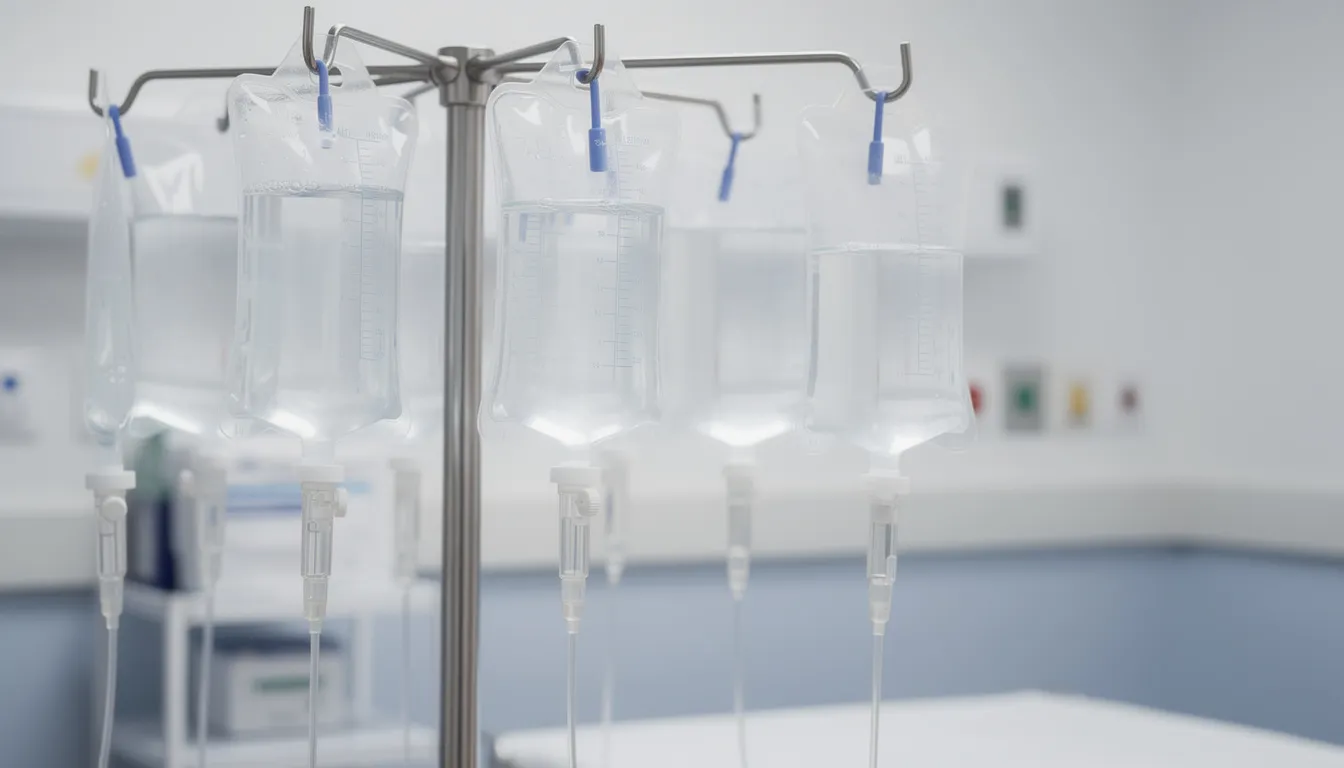
The IV bags used in these sessions typically contain sterile saline or lactated Ringer’s solution as a base, often enhanced with vitamins, minerals, and sometimes medications tailored to your specific needs. This is the same type of IV fluids you’d receive in a hospital setting, just administered in a more comfortable environment.
What makes IV hydration therapy different from drinking water or taking oral supplements is the delivery method. When you receive fluids and nutrients directly into your bloodstream, you bypass the digestive system entirely. This means no waiting for your stomach and intestines to break down and absorb nutrients—the therapeutic substances circulate through your body immediately.
Common reasons people search for mobile IV therapy near me include hangover relief after a rough weekend, immune support during flu season, rapid rehydration after intense exercise or summer heat, and recovery from travel-related dehydration and jet lag.

Why People Search for Mobile IV Therapy Near Me
The demand for on-demand, in-home wellness services has grown significantly since 2020, with more people prioritizing convenience and time efficiency in their healthcare decisions. Mobile IV hydration fits perfectly into this shift.
Lifestyle factors drive much of this demand:
- Busy professionals who can’t afford hours in a waiting room
- Parents juggling childcare who need wellness support without arranging coverage
- Caregivers for aging family members who rarely have time for themselves
- Individuals with limited mobility or chronic fatigue who find travel exhausting
Specific scenarios also spike searches for mobile IV service. Post-concert hangovers, bachelor and bachelorette party recoveries, athletic tournament weekends, wedding party prep, and conference travel all create situations where people need fast hydration and feel too depleted to drive somewhere for help.
There’s also a privacy and comfort element. Many people—especially professionals, high-profile clients, or anyone who simply prefers avoiding crowded medical facilities—appreciate receiving medical treatment in a private setting rather than sitting in waiting rooms surrounded by sick strangers.
How Mobile IV Therapy Near You Works Step-by-Step
Understanding exactly how mobile IV therapy works can ease any anxiety about trying it for the first time. While specific details like pricing, travel radius, and fluid brands vary by provider, the medical process follows a consistent flow across reputable services.
Sessions are handled by trained medical staff—typically registered nurses, paramedics, or nurse practitioners—using sterile, single-use supplies identical to what you’d encounter in a hospital. Nothing is reused, and safety protocols mirror clinical standards.
The main phases include booking your appointment, completing a health screening, the nurse’s arrival and setup, IV insertion and monitoring, and finally completion with aftercare guidance.
1. Booking Your At-Home IV Session
Most mobile iv therapy services accept bookings through multiple channels: online scheduling portals, phone calls, and text messages. Many operate extended hours, often from 8 a.m. to 8 p.m. local time, with some offering after-hours availability for an additional fee.
The typical online booking process looks like this:
- Enter your city or ZIP code to confirm service area coverage
- Browse available drip packages (names like “Hydration Boost,” “Immunity,” “Recovery,” or “Energy” are common)
- Select your preferred time slot
- Provide basic contact information
For urgent situations—acute dehydration, severe hangovers, or sudden illness—many providers offer same day appointments or even within-2-hour emergency scheduling. This convenient access is one of the main advantages over traditional clinic visits.
After booking, you’ll typically receive a confirmation with your appointment time, the name of your nurse, and any pre-visit instructions. If you live outside the main metro region, verify whether the provider covers your area and ask about any travel fees that might apply.
2. Pre-Visit Health Assessment
Before any IV treatment begins, providers conduct a brief health assessment to ensure the therapy is safe and appropriate for you. This screening also helps determine the right formula for your specific needs and wellness goals.
Common questions during this assessment include:
| Category | Typical Questions |
|---|---|
| Demographics | Age, weight, general health status |
| Medical History | Chronic conditions, particularly heart, kidney, or liver issues |
| Medications | Current prescriptions, over-the-counter supplements |
| Allergies | Drug allergies, latex sensitivity |
| Recent Health | Pregnancy status, recent illnesses, alcohol intake |
This health history review may happen through an online form before your appointment, during a quick telehealth consult, or at the beginning of the in-person visit when the nurse arrives.
Providers take this step seriously. Certain conditions—such as severe kidney disease, uncontrolled heart failure, or very abnormal vital signs—may lead to postponing or declining treatment for your safety. Being honest about alcohol intake, recent illnesses, and any supplements you’re taking helps avoid potential interactions and ensures you receive safe, effective care.
3. Nurse Arrival, Setup, and Comfort Check
When your appointment time arrives, the nurse shows up at your door with a medical bag containing IV fluids, vitamins, electrolytes, sterile tubing, catheters, and all necessary supplies. Everything needed for your session travels with them.
You choose where you’d like to receive treatment. Popular spots include:
- A comfortable couch or recliner
- Your bed (especially if you’re feeling unwell)
- An office chair or desk setup
- A hotel bed or Airbnb living area
The nurse sets up a clean workspace, sanitizes surfaces as needed, and washes or sanitizes their hands before putting on sterile gloves. They’ll then check your vital signs—blood pressure, heart rate, and sometimes oxygen saturation—and review the drip ingredients with you before starting.
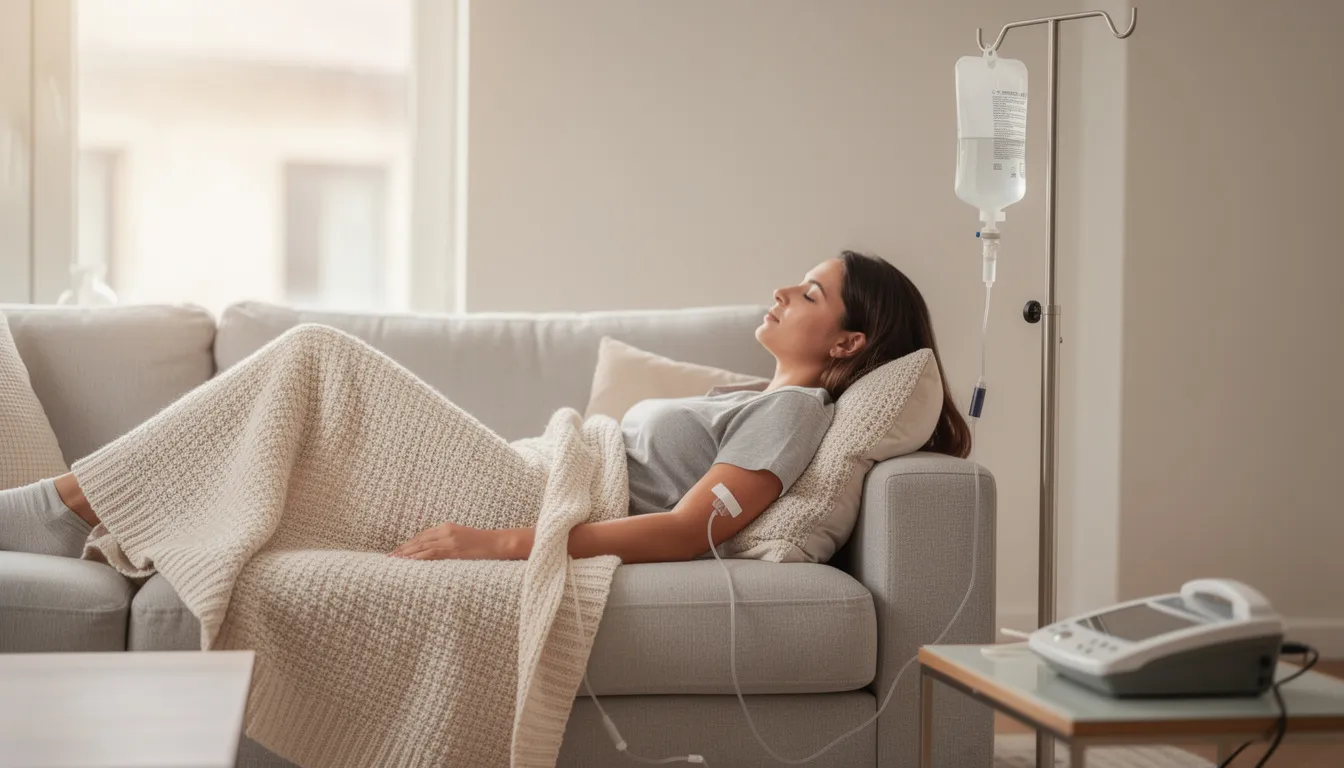
This is also when you can arrange comfort items. Keep your phone charger nearby, have the TV remote handy, grab a blanket if you tend to get cold, and set up anything else that helps you relax. You’ll be sitting or lying in the same spot for 30–60 minutes.
4. IV Insertion and the Drip Itself
With setup complete, the nurse cleans the skin on your arm or hand with an antiseptic wipe and locates a suitable vein. Using a small needle, they insert a soft plastic catheter into the vein. This process takes just a few seconds.
Most clients describe the sensation as similar to a routine blood draw—a brief pinch followed by mild pressure. Once the catheter is positioned correctly, the needle is removed, leaving only the flexible plastic tubing in place. This is then secured to your skin and connected to the IV tubing.
The IV bag is hung on a portable stand or pole positioned near you. A roller clamp on the tubing allows the nurse to control the flow rate precisely. A typical IV bag containing 500–1,000 mL of fluid infuses over about 30–60 minutes, depending on your specific formula and tolerance.
During the infusion, you’re free to:
- Read a book or magazine
- Scroll through your phone
- Answer emails and work messages
- Watch TV or stream shows
- Simply rest or nap
The nurse stays present throughout, monitoring your comfort level and periodically checking your vital signs. If you feel any discomfort, they can adjust the drip rate or address concerns immediately.
5. Completion, Wrap-Up, and Aftercare
Once your IV bag empties, the nurse stops the drip, carefully removes the IV catheter, and applies a small bandage to the insertion site. The whole wrap-up process takes just a few minutes.
You’ll receive simple aftercare instructions:
- Keep the bandage on for an hour or two
- Continue drinking water throughout the day
- Avoid heavy lifting with the IV arm for a few hours
- Listen to your body and rest if needed
Many people feel more hydrated, clearer-headed, or less nauseated within minutes of finishing their infusion. These effects typically continue developing over the next hour or two.
If you notice anything unusual after the nurse leaves—worsening swelling, redness at the site, persistent dizziness, or fever—contact the provider’s support line. Reputable services have protocols for addressing post-treatment concerns.
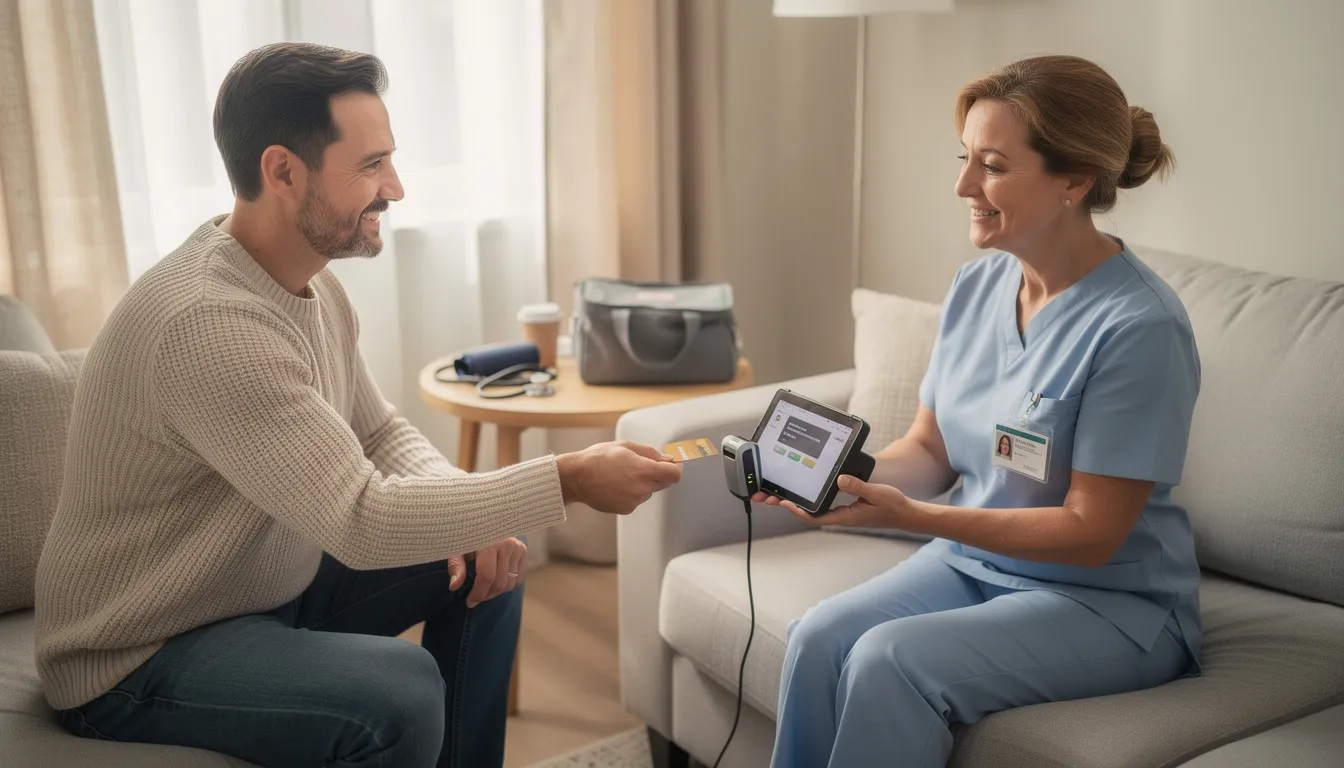
Payment is commonly completed at this point. Most providers accept cash, major credit cards, debit cards, and HSA/FSA cards. You’ll typically receive a receipt emailed immediately after the transaction.
The Science Behind Mobile IV Therapy
IV infusions have been standard medical practice in hospitals since the mid-1900s. Mobile IV therapy applies these same proven delivery methods to wellness contexts outside clinical settings.
The fundamental mechanism is straightforward: when fluids and nutrients enter your bloodstream directly through IV delivery, they bypass your digestive system entirely. This eliminates the absorption losses that occur when you swallow pills or drink fluids.
According to data from the American Journal of Emergency Medicine, IV nutrient delivery achieves essentially 100% bioavailability—meaning nearly all of what’s infused reaches your body’s cells. Compare that to oral supplements, which typically achieve only 20–50% absorption rates. That’s a significant difference in therapeutic effectiveness.
Vitamins like B12, vitamin C, and magnesium can reach substantially higher blood levels via IV than through typical oral doses. This is why many clients report feeling improvements within 15–20 minutes of starting their infusion—the nutrients are already circulating rather than waiting to be processed through your stomach and intestines.
It’s important to maintain perspective: IV therapy isn’t a magic cure-all, and it doesn’t replace emergency care for serious conditions. It’s best understood as a supportive tool for hydration, nutrient replenishment, and general wellness enhancement. Keep your regular primary care appointments and use mobile IV as a complement to—not a replacement for—proper medical treatment.
What’s Typically in a Mobile IV Drip?
Mobile IV therapy services offer various formulations, but most build on similar foundations:
Base Fluids:
- Normal saline (0.9% sodium chloride)—the same sterile fluid used in hospitals worldwide
- Lactated Ringer’s solution—contains electrolytes for more comprehensive rehydration
Common Vitamin Blends: Many providers offer Myers-style cocktails containing combinations of:
- B vitamins and B complex vitamins for energy and metabolism
- Vitamin C for immune support and antioxidant benefits
- Magnesium for muscle relaxation and nerve function
- Trace minerals like zinc and selenium
Targeted Add-Ons: Depending on your goals, you might add:
- Extra vitamin C and zinc for immunity boost during cold and flu season
- Taurine and amino acids for energy boost and athletic recovery
- Glutathione for antioxidant support
- Anti-nausea medications for hangover recovery packages
- Anti-inflammatory medications for headache and pain relief
Some clients seek high dose vitamin infusions for specific purposes, while others prefer simple hospital grade hydration with minimal additives. A good provider will help you choose based on your health conditions and current needs.
Benefits of Choosing Mobile IV Therapy Near You
The core appeal of mobile IV therapy services comes down to a simple trade-off: instead of driving to a clinic, checking in, sitting in a waiting room, and then receiving treatment, you book an appointment and stay exactly where you are while the same high quality care comes to you.
Time savings add up quickly. A typical clinic visit for IV hydration might consume 2–3 hours of your day once you factor in travel, parking, waiting, treatment, and the return trip. A home iv therapy session takes 45–75 minutes total, and you’re already home when it ends.
The faster symptom relief also matters. Because IV drip delivery provides immediate hydration and 100% nutrient absorption, people experiencing dehydration, fatigue, or mild migraines often feel better within the session itself. Taking oral supplements or drinking water would take hours or days to achieve similar effects.
Comfort and privacy round out the benefits. Whether you’re recovering from illness, fighting jet lag after a long flight, or dealing with the aftermath of a social event, receiving treatment in your own space beats sitting under fluorescent lights surrounded by strangers. For busy professionals or anyone who values discretion, this privacy can make all the difference.
Some clients schedule consistent, proactive sessions—monthly or biweekly—to maintain stable energy levels and better hydration over time rather than waiting until they feel depleted.
Who Is a Good Candidate for Mobile IV Therapy?
Mobile IV therapy appeals to a wide range of adults seeking convenient access to hydration and wellness support:
Common Client Profiles:
- Busy professionals with demanding schedules and busy lives
- Parents who can’t easily leave home for medical appointments
- Athletes recovering from training, competitions, or marathon weekends
- Frequent travelers dealing with jet lag and hotel room recovery needs
- Students during stressful periods like finals week
Specific Scenarios That Benefit:
- Summer heat waves and outdoor events
- High-altitude trips where dehydration hits faster
- Flu and cold season when immune system support matters
- Wedding parties needing to look and feel their best
- Conference travel with packed schedules and minimal downtime
Most providers require clients to be at least 16–18 years old, with minors needing parental consent where allowed. Adults in generally good health are typically excellent candidates.
However, some people should exercise caution or seek medical clearance first. Those with serious heart conditions, severe kidney disease, uncontrolled blood pressure, or complex medical histories should consult their physician before booking elective IV treatments. If you take multiple prescription medications, check with your prescribing doctor to ensure there are no concerns.
What to Expect During Your First Mobile IV Therapy Visit
First-time mobile IV therapy clients often feel uncertain about what the experience will actually be like. This section walks you through the sensations and timing so you know exactly what’s coming.
Nurses are accustomed to working with first-timers and will talk you through each step. If anything feels uncomfortable at any point, they can slow down, pause, or adjust the approach. You’re never locked into anything.
Approximate timing breaks down like this:
| Phase | Duration |
|---|---|
| Check-in and setup | 10–15 minutes |
| IV infusion | 30–60 minutes |
| Wrap-up and aftercare | Current prescriptions, over-the-counter suppleme5–10 minutesnts |
Some people experience mild, temporary effects during infusions. Feeling chilly is common since the fluids enter at room temperature rather than body temperature. Some vitamins—particularly B vitamins—can create a brief metallic taste. These sensations are harmless and typically pass quickly.
Practical tips for a smooth session: wear a shirt with loose sleeves for easy arm access, have a light snack an hour or two beforehand, and plan a calm hour where you don’t need to rush anywhere.
Before the Nurse Arrives
A little preparation goes a long way toward a comfortable experience:
Physical Prep:
- Drink some water and eat a light meal 1–2 hours before your appointment to reduce dizziness and nausea risk
- Use the bathroom before the session starts—IV fluids increase your urge to urinate
- Prepare your comfortable spot with good lighting and an accessible power outlet
Environment Prep:
- Secure pets in another room temporarily so the nurse can work safely during needle insertion
- If you have small children, arrange for someone to supervise them during the 45–60 minutes you’ll be occupied
- Clear a small surface where the nurse can organize supplies
Administrative Prep:
- Have your ID and payment method available
- Keep a list of current medications handy if you haven’t already submitted it
- Complete any consent forms the provider sent in advance
If you develop a fever, active infection, or any new serious symptoms before your appointment, contact the provider to reschedule. It’s better to wait until you’re stable than to proceed when your body is fighting something acute.
During the Infusion
Once the IV is placed and flowing, you simply sit or lie back and relax. Communication is key—if you feel burning, pressure, chills, or anything unexpected, mention it to your nurse immediately. They can usually address minor discomfort with simple adjustments.
Common sensations during the infusion include:
- Coolness traveling along your arm as fluids enter (this is normal and harmless)
- Slight pressure or awareness at the IV site
- Increased urge to urinate as hydration improves
- Gradual increase in mental clarity or energy as nutrients circulate
The nurse periodically checks your blood pressure and monitors the drip rate throughout the session. Most people simply relax, nap, catch up on emails, or watch something on TV until the bag empties.
If you feel lightheaded, nauseated, or uncomfortable at any point, the nurse can pause or slow the infusion. Your comfort and safety take priority over completing the bag quickly.
After the Session
There’s typically no formal downtime after mobile IV therapy. Most clients can resume light daily activities immediately—cooking dinner, answering emails, picking up kids, or running errands.
That said, a few guidelines help your body adjust:
- Avoid intense workouts for the rest of the day
- Skip saunas, hot tubs, and steam rooms
- Go easy on alcohol—your body just processed a lot of fluid
- Keep drinking water throughout the day
Mild bruising or soreness at the IV site can happen and usually fades over a few days. If you notice significant swelling, spreading redness, or increasing pain, contact your provider.
Effects like increased energy, mental sharpness, better mental clarity, and improved skin plumpness may unfold over several hours rather than appearing instantly. Some people notice healthy skin benefits and beauty benefits develop over the following 24–72 hours as their body fully absorbs and utilizes the nutrients.
Consider tracking how you feel over the next few days. This information helps you plan future session timing and choose the right drip selection for your needs.
Safety, Risks, and Cost of Mobile IV Therapy Near Me
While mobile IV therapy is low-risk for most healthy adults, it’s still a medical procedure that involves needle insertion and direct delivery of substances into your bloodstream. Understanding both the safety measures and potential risks helps you make informed decisions.
Is mobile iv therapy safe? For the vast majority of healthy adults, yes—when administered by qualified medical professionals using proper protocols.
Standard Safety Practices:
- Licensed staff (registered nurses, paramedics, or nurse practitioners)
- Sterile, single-use supplies for every session
- Proper sharps disposal in medical waste containers
- Medical oversight from a physician medical director
Common Minor Risks:
- Bruising at the insertion site
- Small hematomas (localized blood collections)
- Temporary swelling around the IV area
- Mild headaches (sometimes from too-rapid infusion)
Rare but Serious Risks:
- Infection at the IV site
- Vein irritation (phlebitis)
- Fluid overload (primarily a concern for those with heart or kidney issues)
Proper health screening significantly reduces these risks by identifying contraindications before treatment begins.
Cost is another consideration. Elective wellness drips are typically not covered by traditional health insurance since they’re considered preventive or lifestyle services rather than medically necessary treatment.
How Providers Keep You Safe
Reputable mobile IV therapy services employ licensed healthcare professionals—typically registered nurses or paramedics—who have specific training in IV insertion and patient monitoring. These aren’t random technicians; they’re the same professionals you’d encounter in emergency rooms and hospitals.
Many services operate under a medical director—a licensed physician who establishes treatment protocols, reviews complex cases, and provides professional supervision for the clinical staff. This physician oversight ensures that decisions about who receives treatment and what they receive follow established medical standards.
Quality providers also:
- Carry emergency equipment (blood pressure cuffs, stethoscopes, basic medications)
- Know when to call 911 and have protocols for emergencies
- Maintain malpractice insurance coverage
- Source medications and fluids from licensed pharmaceutical suppliers
Before booking, don’t hesitate to ask about licensing, medical oversight structure, and where supplies are sourced. Any provider unwilling to discuss these topics openly is a red flag. Mobile IV therapy isn’t just a trend—it’s a medical service that deserves the same scrutiny you’d give any healthcare provider.
Typical Pricing and Payment Options
Mobile IV therapy pricing varies by location, provider, and the complexity of your chosen formula:
| Service Type | Typical Price Range |
|---|---|
| Basic hydration drip | $150–$250 |
| Vitamin-enhanced formulas | $200–$350 |
| Premium recovery/wellness packages | $300–$450+ |
| Individual vitamin add-ons | $20–$40 each |
Group discounts often apply for events like bachelorette parties, corporate wellness days, or wedding parties. Some providers offer membership plans with discounted rates for regular clients.
Common Payment Methods:
- Major credit and debit cards
- HSA and FSA cards (many wellness services qualify)
- Cash (many providers accept cash)
- Contactless payment options
- Financing plans through select providers
Since most wellness-focused IV sessions aren’t billed to standard health insurance, confirm all costs upfront. Ask about travel fees if you’re outside the main service area, and get pricing in writing before your appointment to avoid surprises.
How to Choose the Best Mobile IV Therapy Service Near You
When you search “mobile IV therapy near me,” you’ll likely find several options. Not all providers maintain the same standards, so knowing what to look for helps you choose wisely.
Prioritize medical credentials and safety practices over flashy marketing or the lowest price. A well-run mobile IV service operates more like a mobile medical practice than a spa service.
Key Factors to Evaluate:
- Verified reviews from real customers (check multiple platforms)
- Years in business and professional reputation
- Clear information about staff credentials
- Responsiveness to questions and concerns
- Availability that matches your needs (evenings, weekends, holidays)
- Service area coverage for your location
Choose a provider that clearly explains what to expect, including realistic benefits, potential risks, and limitations of treatment. Transparency is a sign of professionalism.
Questions to Ask Before You Book
Before confirming your appointment, gather answers to these essential questions:
Credentials and Oversight:
- Who will be administering my IV and what are their credentials?
- Do you operate under a medical director?
- Where do you source your fluids and medications?
- What licensing and insurance does your service carry?
Safety Protocols:
- What screening do you do before treatment?
- What happens if I feel unwell during the session?
- How do you handle emergencies?
- What aftercare support do you provide?
Logistics and Pricing:
- What’s your response time for same day appointments?
- Do you serve my ZIP code, and are there travel fees?
- Can I see a full menu and price list in writing?
- What payment methods do you accept?
Avoid providers who refuse to discuss risks, credentials, or ingredient sourcing openly. A seamless process starts with clear communication before you ever book.
FAQ: Mobile IV Therapy Near Me
How quickly will I feel results from mobile IV therapy?
Many people notice improved hydration, clearer thinking, or reduced nausea within 15–60 minutes of starting or finishing their drip. This rapid response occurs because delivering nutrients directly into your bloodstream means they’re circulating immediately rather than waiting to be absorbed through your digestive system.
More subtle benefits—like improved sleep quality, better skin hydration, or sustained energy—may take several hours to a full day to become noticeable. Factors like your baseline dehydration level, overall health, and specific drip ingredients all influence how quickly you feel results.
If you feel significantly worse during or right after a session, alert the nurse immediately rather than waiting to see if symptoms resolve.
Can I get mobile IV therapy if I’m taking prescription medications?
Many clients take regular prescriptions without issues, but full disclosure of your medical history and current medications is essential before any IV treatment. Some medications can interact with high-dose vitamins, extra fluids, or specific IV additives.
Bring a current medication list to your appointment and ask the provider to review potential interactions in advance. The health assessment phase exists specifically to catch these concerns.
If you have complex medication regimens, take blood thinners, or manage heart or kidney conditions, speak with your prescribing physician before booking. A quick conversation with your doctor provides peace of mind and ensures your mobile IV session is safe.
How far will a mobile IV nurse travel to reach me?
Most mobile IV services define a primary service radius around major cities or suburbs, typically 20–40 miles from their central base of operations. Within this zone, travel fees are usually included in the session price or minimal.
Some providers will travel farther for additional fees, particularly for group bookings like weddings, corporate events, or parties where multiple clients receive treatment at one location.
Check ZIP code coverage on the provider’s website or ask directly when you call. If you’re in a remote location or requesting service during peak times like weekends or holidays, plan extra time in case of traffic delays.
How often should I schedule mobile IV therapy sessions?
Frequency depends entirely on your wellness goals and lifestyle. Many people use mobile IV therapy occasionally—for hangover recovery, travel rehydration, or immune support during stressful periods.
Others maintain regular schedules:
- Athletes during training seasons: Weekly or biweekly
- Busy professionals seeking sustained energy: Monthly
- Those managing chronic fatigue: Every 2–4 weeks
Start conservatively with one session, evaluate how you feel over the following weeks, and adjust based on results. Long-term health still relies on foundational habits—quality sleep, balanced nutrition, regular exercise, and routine medical checkups. IV therapy works best as a complement to these essentials, not a replacement for them.
Is mobile IV therapy a replacement for going to the ER or urgent care?
No. Mobile IV therapy is not an emergency service and does not replace hospital care for serious symptoms. It’s designed for non-emergency wellness support like mild to moderate dehydration, fatigue, jet lag, hangover relief, and general immune support.
Seek emergency medical care immediately if you experience:
- Chest pain or difficulty breathing
- Severe head injury or trauma
- Uncontrolled bleeding
- Confusion or altered consciousness
- Signs of stroke or heart attack
- Severe allergic reactions
When in doubt, err on the side of caution. If you’re unsure whether your situation requires emergency care, seek urgent medical evaluation first. Mobile IV therapy will still be available once you’ve ruled out anything serious.